Weather-Driven Betting Surges Reshaping Participation Patterns Across Digital Sportsbooks and Casino Hybrids
Wendy Krause · Jul 9, 2026
Weather-Driven Betting Surges Reshaping Participation Patterns Across Digital Sportsbooks and Casino Hybrids
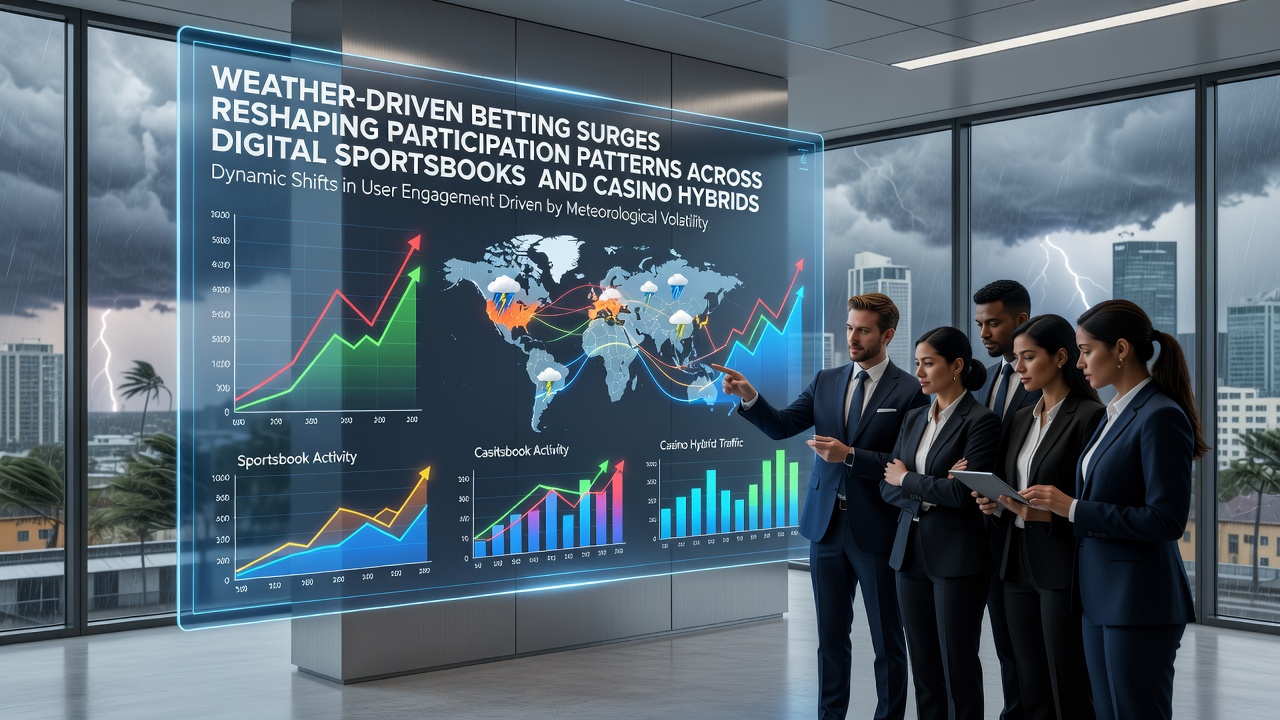
Weather conditions have long influenced daily routines, yet recent platform data reveals measurable impacts on how users engage with digital sportsbooks and casino hybrids during storms, heatwaves, and seasonal extremes. Operators track these shifts through session volumes, bet types, and game category preferences that align with regional forecasts rather than fixed schedules.
Regional Weather Events and Activity Spikes
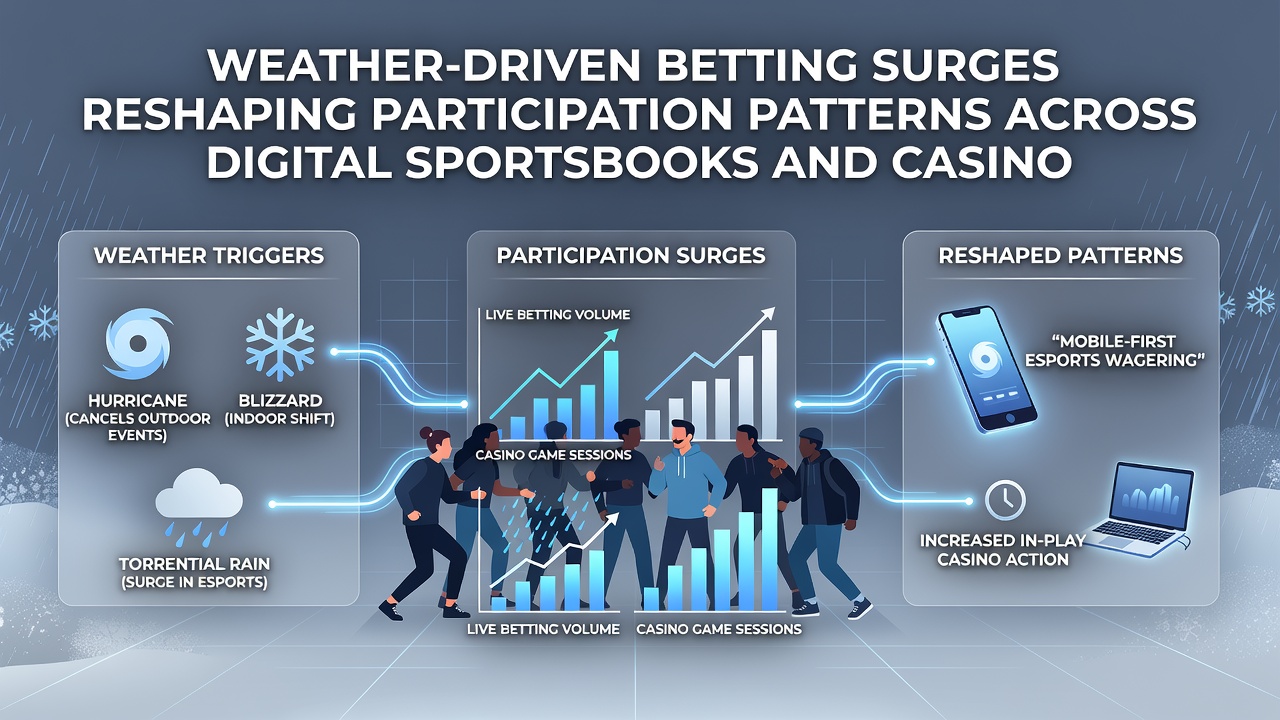
Platforms report distinct surges when forecasts predict prolonged indoor time. In July 2026, multiple European operators noted elevated traffic across live dealer sections and in-play sports markets during a heatwave that stretched across several countries. Users shifted from brief visits to extended sessions, with average session lengths rising as outdoor activities declined. Similar patterns emerged in parts of North America where summer thunderstorms disrupted commuting and leisure plans, leading to higher volumes on both sports wagering and hybrid casino offerings within the same accounts.
Data from the Alcohol and Gaming Commission of Ontario indicates that winter storm systems correlate with increased participation in multi-game wagering environments. Users often combine sports bets with quick casino hybrid rounds during periods when travel warnings remain active. These combined sessions appear more frequently than during mild weather periods, suggesting weather acts as a catalyst for diversified play rather than single-category focus.
Shifts in Bet Types and Game Categories
Participation patterns change beyond simple volume increases. Observers note users favor shorter-cycle bets and instant casino hybrid features when weather events extend unexpectedly. Live betting markets see particular growth because participants can monitor matches while remaining indoors, and hybrid platforms allow seamless movement between sports and table games without separate logins. Research from the University of Nevada, Reno has documented these reallocations through anonymized transaction logs that link weather alerts to altered user flows.
One pattern stands out across multiple operators: micro-session activity rises sharply during the first hours of a weather advisory. Participants place several smaller bets or spins instead of committing to longer progressive strategies. This behavior appears consistent whether the trigger involves heavy snowfall in Canada or flooding concerns in parts of Australia, where local regulators have also recorded comparable timing alignments between forecasts and deposit spikes.
Platform Adaptations and Data Tracking
Operators have adjusted notification systems and promotional timing to align with meteorological forecasts. Push alerts about weather-related bonuses reach users in affected zones within hours of storm warnings, while dashboard analytics flag emerging regional clusters. These adjustments rely on cross-referenced weather APIs rather than manual scheduling, allowing platforms to respond in near real time. Hybrid casino sections benefit particularly because they accommodate both sports enthusiasts seeking live updates and players exploring table games during extended indoor periods.
Studies compiled by the Australian Gambling Research Centre highlight how coastal storm seasons produce predictable participation curves. Deposits and withdrawals both accelerate in the 24-hour windows surrounding major weather events, with net activity remaining elevated until conditions normalize. The data shows these surges concentrate among existing account holders rather than new registrations, indicating weather primarily amplifies current user behavior instead of expanding the overall player base.
Geographic Variations in Response
Different climates produce distinct response profiles. Tropical regions experience spikes tied to hurricane or monsoon seasons, whereas continental areas see winter-driven changes. Across these zones, the common factor remains extended periods of restricted outdoor movement that coincide with device accessibility. Casino hybrid interfaces gain from this overlap because they support both rapid sports market checks and sustained game sessions within a single environment.
Platform engineers continue refining location-based triggers that activate content recommendations during forecast windows. These systems draw from historical datasets that pair specific weather thresholds with observed betting volumes, creating predictive models that operators apply across multiple jurisdictions without requiring region-specific manual overrides.
Conclusion
Weather events continue to function as external variables that reshape how users allocate time across digital sportsbooks and casino hybrids. The patterns documented through regulatory reports, academic analyses, and operator metrics demonstrate consistent correlations between forecast conditions and session behaviors. As platforms integrate meteorological data more deeply into their systems, these weather-linked participation shifts are likely to remain a measurable component of digital wagering activity rather than isolated anomalies.