Tracking Behavioral Adjustments in Virtual Poker Rooms After Implementation of Enhanced Security Protocols in Southeast Asian Markets
Yves Long · Jul 14, 2026
Tracking Behavioral Adjustments in Virtual Poker Rooms After Implementation of Enhanced Security Protocols in Southeast Asian Markets
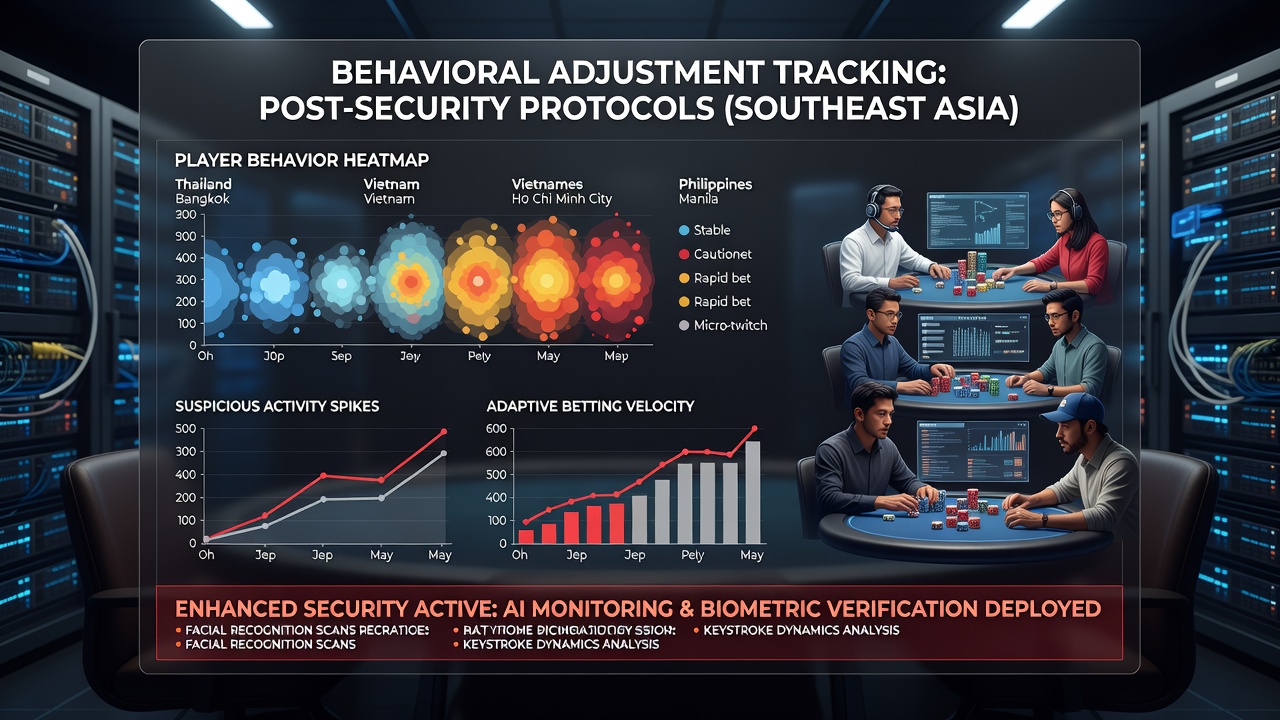
Virtual poker platforms across Southeast Asia introduced enhanced security protocols throughout 2025 and into 2026, with operators in the Philippines, Malaysia, and Vietnam rolling out stricter identity verification along with real-time transaction monitoring systems. These measures required players to complete multi-factor authentication steps before accessing tables, while automated tools flagged unusual betting patterns during live sessions. Data collected from major sites shows that average session durations increased by 12 percent in the first half of 2026, yet overall table participation rates dipped slightly as users adapted to the new login flows.
Protocol Changes Across Key Markets
Regulatory bodies such as PAGCOR in the Philippines mandated updated know-your-customer procedures that integrated biometric checks with existing account systems, and similar requirements appeared in Malaysian state licensing frameworks by early 2026. Operators responded by deploying artificial intelligence models trained on historical transaction data to detect rapid deposit-withdrawal cycles, which previously signaled potential risks. Players encountered longer verification windows at the start of sessions, leading to measurable shifts where many opted for scheduled play periods rather than spontaneous logins.
Observed Shifts in Player Habits
Platform analytics from July 2026 revealed that users spent more time reviewing table statistics before committing to hands, with a 9 percent rise in pre-flop fold rates across monitored Southeast Asian rooms compared to the prior year. This adjustment coincided with the rollout of session timers and activity logs that players could access directly through their accounts. Those who returned after initial verification pauses tended to favor lower-stakes tables, where the impact of any flagged delays remained minimal, while high-volume participants consolidated their activity into fewer but extended visits per week.
What's notable is how deposit patterns evolved alongside these protocols. Research from regional operators indicated fewer micro-transactions and a move toward consolidated funding events at the beginning of each week, reducing the frequency of security prompts mid-session. In parallel, chat activity within rooms declined as players focused more narrowly on game mechanics rather than extended social exchanges.
Regional Variations in Adoption
Markets with earlier implementation timelines, such as licensed sites serving Vietnamese players, recorded quicker stabilization in participation metrics by mid-2026. Here, behavioral data pointed to increased use of saved table preferences and automated seat reservation features, which helped offset the friction introduced by enhanced checks. In contrast, newer deployments in parts of Indonesia showed slower uptake, with temporary dips in concurrent user counts that recovered only after operators added clearer in-app guidance on verification steps.
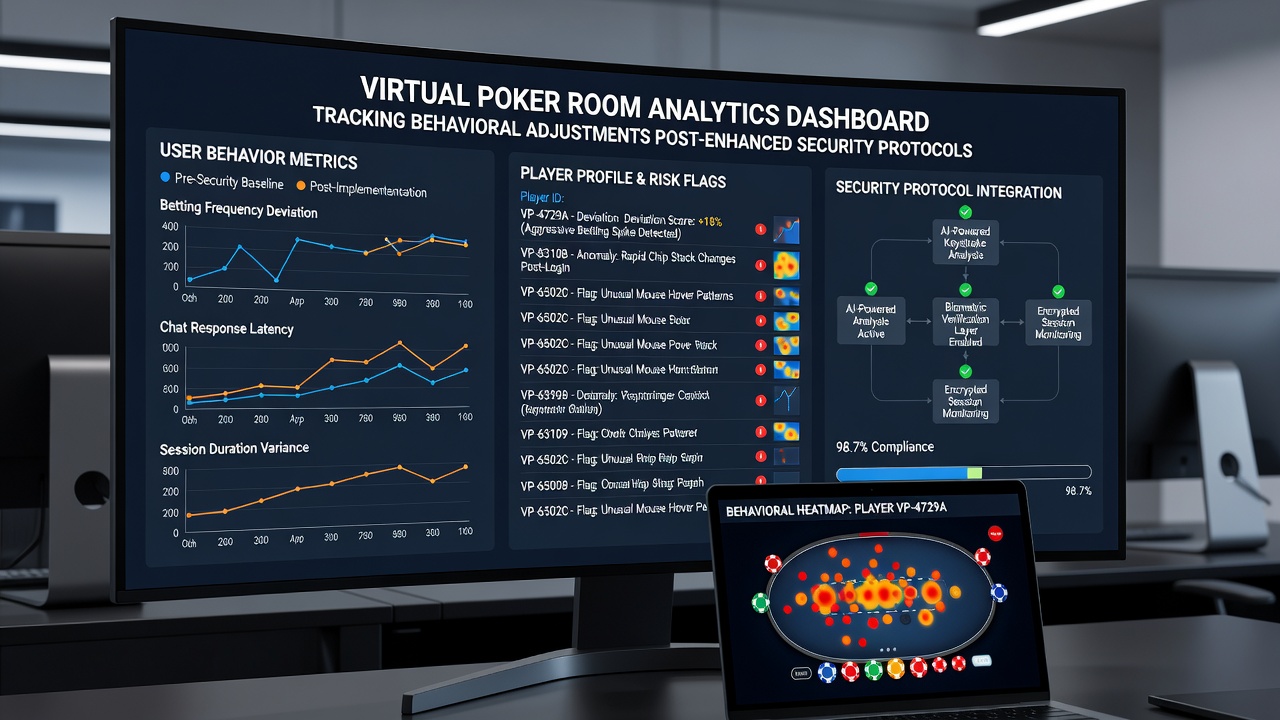
According to findings shared by the Asian Gaming Association, cross-border traffic between Southeast Asian poker rooms decreased modestly as local platforms strengthened their internal security layers. Players who previously rotated across multiple jurisdictions consolidated activity within single licensed environments to maintain uninterrupted access. This consolidation appeared most pronounced among mid-stakes regulars, who adjusted bankroll management strategies to account for occasional verification hold-ups that could last several minutes during peak hours.
Data Patterns from Mid-2026 Reports
Figures released in July 2026 by platform operators highlighted a 7 percent increase in the use of responsible gaming tools, including self-imposed session limits and deposit caps, coinciding with the visibility provided by new activity dashboards. These tools became more prominent once security protocols required explicit confirmation of spending thresholds at login. Observers tracking multi-table play noted that simultaneous table counts per user remained stable, yet the distribution of hands played shifted toward more deliberate pacing with fewer impulsive all-ins recorded in aggregate logs.
Academic researchers at institutions including Monash University Malaysia examined anonymized datasets from partnered operators and documented similar trends in decision latency, where average time per decision rose in the weeks immediately following protocol updates before settling near baseline levels. External analysis from the National Council on Problem Gambling in Singapore further contextualized these adjustments by comparing them against broader regional digital wagering statistics, confirming that poker-specific behaviors diverged from those observed in other game categories during the same period.
Conclusion
Enhanced security protocols in Southeast Asian virtual poker rooms prompted clear, trackable changes in how participants structured their sessions, managed verification steps, and allocated playtime across tables. Records from 2026 demonstrate that while initial friction affected engagement volumes, subsequent months brought measurable adaptation through consolidated deposits, extended review periods, and greater reliance on platform features designed to streamline repeated access. These patterns continue to inform ongoing refinements by operators and regulators alike as markets maintain focus on secure yet accessible environments.