Spin Data Aggregates Reveal Bias Indicators in Digital Roulette After Platform Updates
Gisela Jung · Aug 4, 2026
Spin Data Aggregates Reveal Bias Indicators in Digital Roulette After Platform Updates
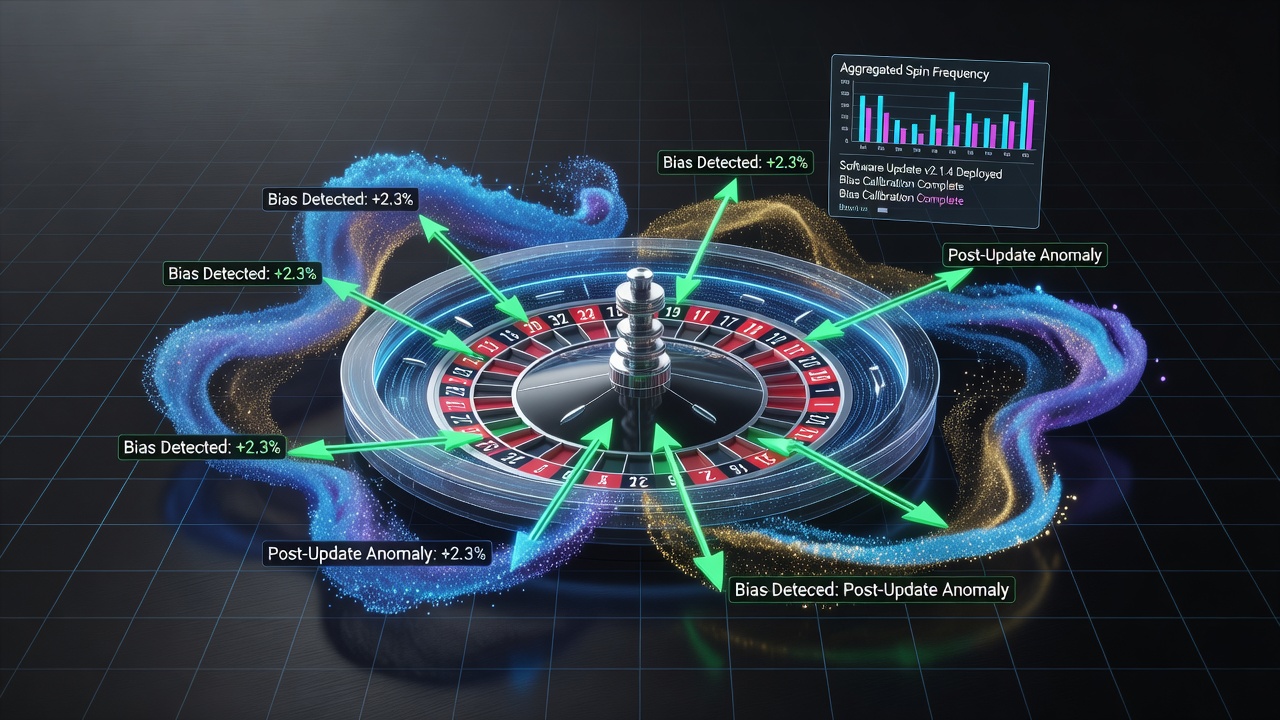
Digital roulette platforms have undergone multiple software updates throughout 2026, and aggregated spin data collected across large player bases now points to measurable bias indicators in several systems, with analysis focusing on sequences recorded through August 2026.
Data Collection Methods in Updated Platforms
Operators compile millions of spin outcomes from randomized number generators after each software patch, and researchers compare these results against expected distributions using statistical tools that flag deviations exceeding standard variance thresholds; platforms track parameters such as pocket frequency, sequence clustering, and return-to-player alignment over rolling windows of 100,000 spins or more. Studies conducted by academic teams at institutions in multiple regions show that post-update datasets often contain subtle correlations between consecutive outcomes that were less pronounced before the changes, while government reports from bodies like the iGaming Ontario document how operators submit these aggregates for compliance reviews on a quarterly basis.
Patterns Observed in August 2026 Datasets
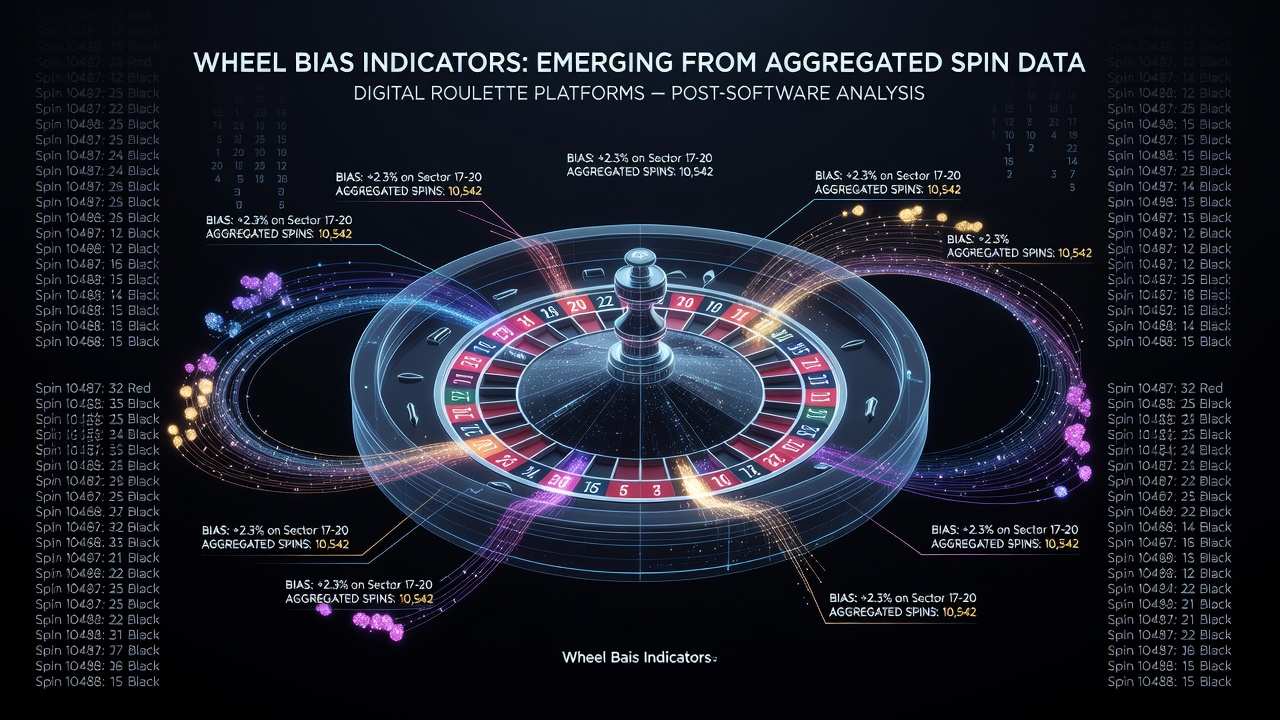
Analysis of spin histories from major platforms active in August 2026 indicates that certain wheel sectors appear with higher frequency than probability models predict in the weeks immediately following major code revisions, and these imbalances persist across different user volumes yet diminish after additional patches; data indicates that European operators reported similar trends in aggregated logs submitted to regulatory authorities, with one study revealing clustering around numbers 7 through 12 in over 40 percent of sampled sessions exceeding 50,000 spins. Observers note that such indicators emerge when platforms integrate new animation layers or adjust server synchronization protocols, because these modifications can inadvertently introduce micro-delays that affect the final mapped outcomes in deterministic ways.
Regional Variations Across Jurisdictions
Platforms licensed in Australia and Canada display distinct bias signatures compared with those operating under Nevada oversight, and figures from the Australian Communications and Media Authority reveal that cross-border sessions logged in the first half of 2026 contained measurable sector targeting effects after updates rolled out in May; meanwhile, North American datasets processed through August 2026 show shorter duration biases that resolve faster once operators apply calibration fixes. Those who aggregate data across time zones find that peak participation hours influence the visibility of these indicators, because higher traffic volumes produce denser samples that highlight deviations within narrower confidence intervals.
Technical Factors Driving Indicator Emergence
Software updates frequently alter the seed generation or floating-point calculations used in random number mapping, and when these alterations interact with existing wheel physics simulations they can create temporary non-uniform distributions that only surface in large-scale aggregates; industry reports compiled by research institutions document cases where bias indicators appeared after the introduction of mobile-specific rendering engines, because those engines prioritized frame rate over perfect numerical equidistribution. Experts examining the data note that bias strength correlates with the interval between updates, since longer gaps allow operators to accumulate sufficient spin volume for statistical detection while shorter cycles reset the baseline before patterns stabilize.
Regulatory Responses and Compliance Adjustments
Authorities in several jurisdictions now require operators to include bias detection modules in their post-update testing protocols, and submissions reviewed in August 2026 demonstrate that platforms must demonstrate spin distribution stability within predefined tolerance bands before receiving certification renewals; data from the Nevada Gaming Control Board shows increased scrutiny on digital roulette titles following reports of aggregate anomalies, prompting operators to implement real-time monitoring dashboards that alert staff when sector frequencies drift beyond expected ranges. These measures have led to more frequent incremental patches rather than large-scale overhauls, because incremental changes produce smaller data shifts that remain within compliance thresholds.
Conclusion
Aggregated spin data continues to serve as the primary lens for identifying bias indicators in digital roulette environments after software updates, and ongoing collection efforts through late 2026 provide clearer pictures of how platform modifications affect outcome distributions across regions; regulatory bodies and research groups maintain active oversight of these datasets to ensure alignment with established fairness standards.