Shifts in Jackpot Distribution Models Triggered by Tax Adjustments in Latin American Digital Slot Markets
Yves Long · Jun 25, 2026
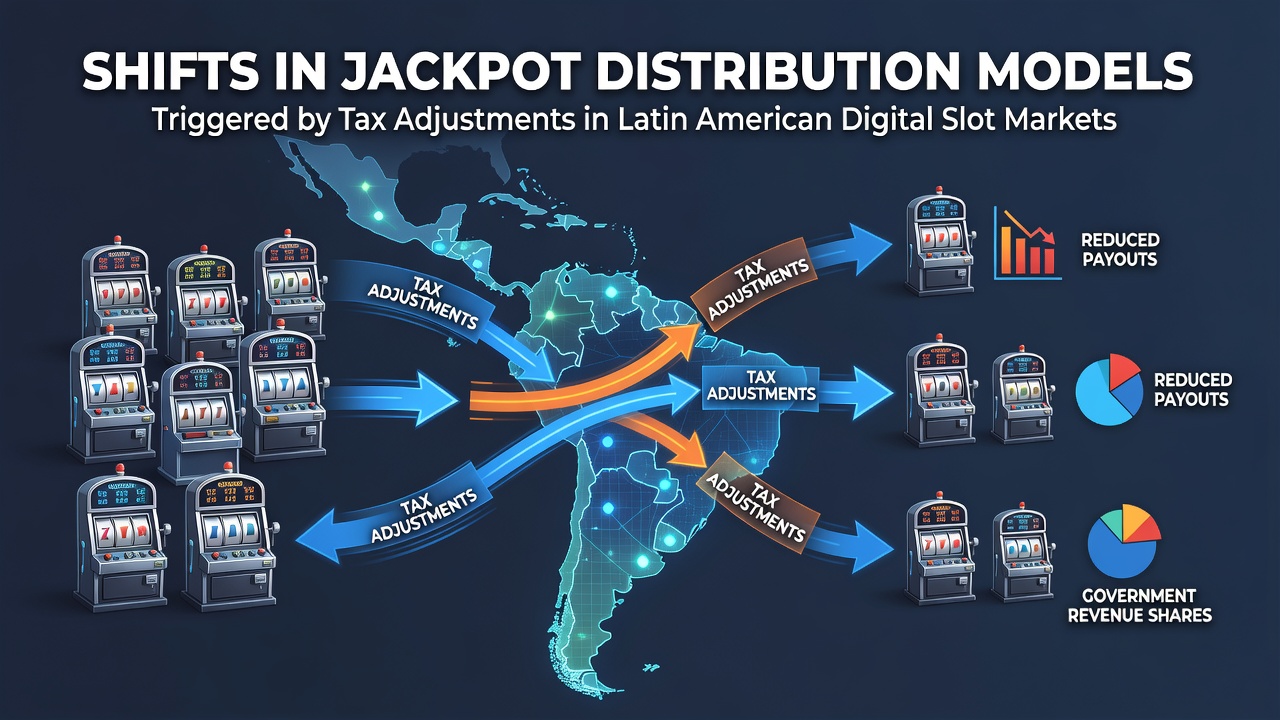
Shifts in Jackpot Distribution Models Triggered by Tax Adjustments in Latin American Digital Slot Markets
Digital slot markets across Latin America have undergone noticeable restructuring in jackpot allocation patterns following a series of tax policy revisions implemented by several governments in the region. Observers note that these changes emerged most clearly after regulatory updates in major jurisdictions where online gambling operators had previously relied on high-progressive jackpot models to attract cross-border players. Data from industry monitoring groups shows that operators began recalibrating payout percentages and jackpot tiers as new tax liabilities took effect in early 2026.
Brazil introduced revised tax treatment for remote gaming revenues in March 2026, while Argentina and Colombia adjusted their respective frameworks around the same period. These measures altered the effective cost structure for progressive jackpot pools that draw contributions from multiple countries. Researchers tracking platform behavior recorded a shift toward fixed or tiered jackpot systems in several popular titles during the following months, particularly after June 2026 when additional compliance reporting requirements came into force in Brazil.
Regulatory Context Across Key Markets
Tax adjustments in the region did not follow a uniform timeline yet produced comparable effects on operator strategies. In Brazil the new rules imposed higher effective rates on gross gaming revenue derived from jackpot contributions, prompting platforms to reduce the percentage of each bet allocated to shared progressive pools. Argentine authorities meanwhile clarified withholding obligations on cross-border winnings, which influenced how operators structured multi-jurisdictional jackpot networks. Colombian regulators focused on clarifying value-added tax treatment for bonus-funded jackpot entries, creating a separate compliance layer that operators addressed by modifying game mathematics.
Industry reports compiled by the Inter-American Development Bank document these sequential policy moves and their immediate consequences for prize distribution. Figures reveal that the proportion of total slot revenue directed toward jackpots declined by measurable margins in markets where tax changes applied directly to progressive elements. Operators responded by increasing the frequency of mid-tier fixed jackpots while scaling back the top progressive amounts available to regional players.
Operator Adaptations in Jackpot Structures
Platform providers serving Latin American audiences implemented several technical modifications after the tax revisions. Some studios introduced localized jackpot pools that capped contributions at national borders to limit exposure to multiple tax regimes. Others adjusted the random number generator parameters to favor more frequent smaller payouts, thereby reducing the accumulation rate of large progressive jackpots. Observers tracking player session data noted that these alterations coincided with changes in average bet sizes during June 2026, when operators rolled out updated game versions across major aggregator platforms.
Take one major operator active in both Brazil and Mexico that reconfigured its flagship progressive title by splitting the jackpot into two tiers. The lower tier now resets more often within each country while the higher tier draws from a narrower regional pool subject to fewer overlapping tax obligations. This approach allowed the company to maintain marketing appeal around substantial prizes without increasing its overall tax burden proportionally.
Market Data and Player Behavior Patterns
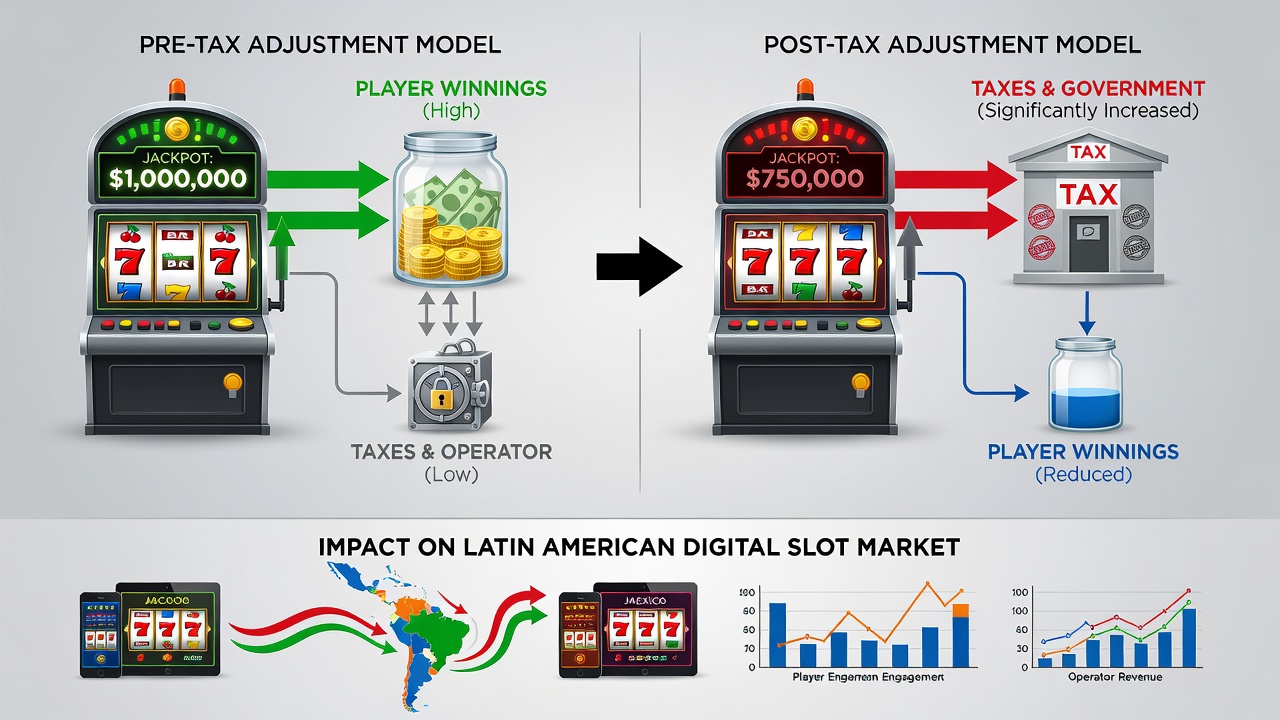
Analytics firms monitoring digital slot activity recorded shifts in jackpot contribution rates following the tax changes. In jurisdictions with the steepest adjustments, the average percentage of each wager allocated to progressive pools dropped from previous levels. Players encountered fewer opportunities to chase record-breaking jackpots yet experienced more regular mid-level wins that cleared faster under revised tax reporting. Research compiled by ECLAC indicates these patterns held across multiple aggregator platforms during the second quarter of 2026.
Session length metrics showed modest increases in some markets where operators emphasized fixed jackpot games with predictable payout schedules. In contrast, markets retaining larger progressive structures experienced slight declines in participation frequency as players adjusted expectations around prize availability. These trends emerged without widespread disruption to overall revenue figures, suggesting operators successfully balanced tax compliance with player retention through structural redesign rather than promotional spending.
Conclusion
Tax policy revisions in Latin American digital slot markets have prompted measurable recalibrations in jackpot distribution models. Operators adapted by introducing localized pools, tiered prize structures, and adjusted contribution rates that align with new fiscal obligations. Data collected through mid-2026 demonstrates these modifications produced consistent effects across major jurisdictions without eliminating the appeal of jackpot gameplay. Continued monitoring of regulatory developments will determine whether similar structural shifts appear in additional markets as tax frameworks evolve.