Seasonal Currency Movements Shape Deposit Preferences at European Digital Sportsbooks
Erik Albrecht · Jun 13, 2026
Seasonal Currency Movements Shape Deposit Preferences at European Digital Sportsbooks
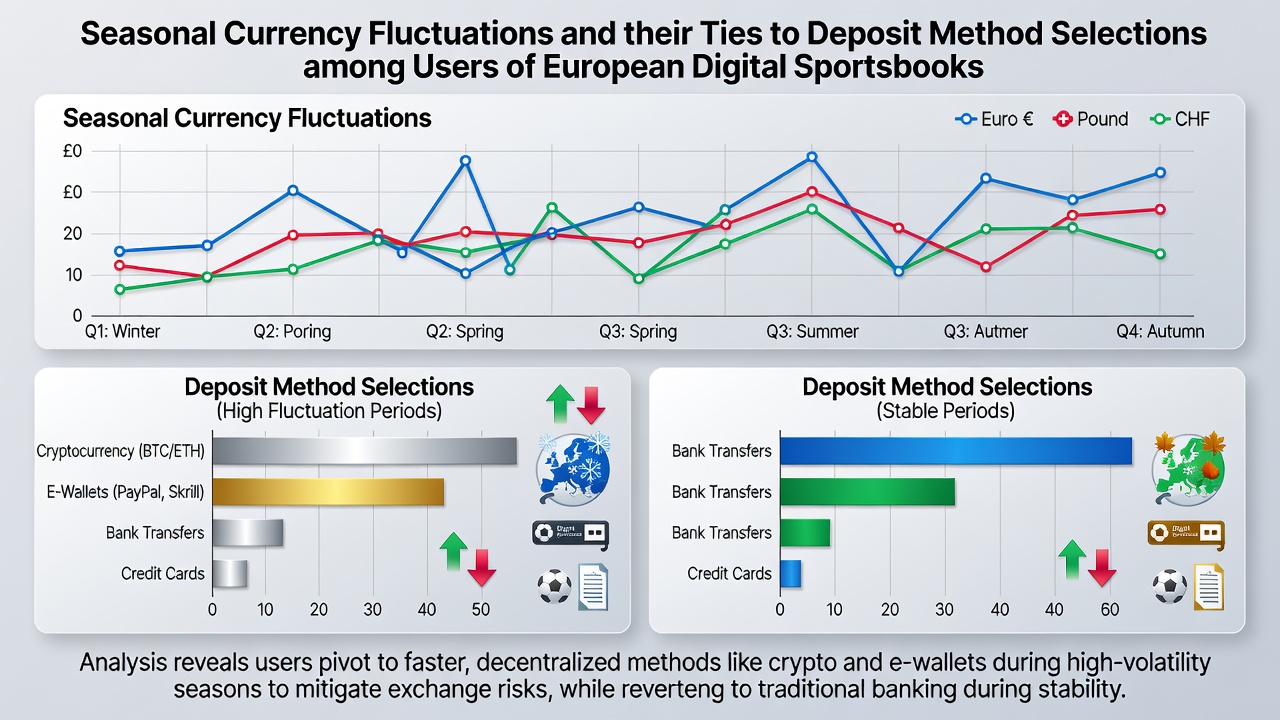
European digital sportsbooks record clear patterns where currency value changes throughout the year connect directly to how users pick their deposit options, and data collected across multiple platforms shows these links become most visible during peak betting periods such as major football leagues and tennis tournaments. Observers note that when the euro strengthens against the British pound or Swedish krona in spring months, users in those regions shift toward bank transfers that lock in favorable rates before placing larger wagers. Conversely, periods of euro weakness prompt more selections of e-wallets and prepaid cards that allow instant conversions without waiting for market rebounds.
Currency Patterns Across European Markets
European Central Bank records demonstrate that the euro typically gains value against Nordic currencies in the second quarter of each year while losing ground to the Swiss franc during summer travel seasons, and these movements influence deposit timing for users who maintain accounts in multiple currencies. Research from the University of Amsterdam's gambling studies group indicates that deposit volumes through local bank methods rise by measurable margins when exchange rates favor the user's home currency, whereas crypto options see increased activity during volatile stretches because they bypass traditional forex spreads. Platforms operating across borders track these shifts through user transaction logs, revealing that June 2026 data reflected a noticeable uptick in stablecoin deposits from German and Dutch users after the euro dipped against the US dollar amid global trade announcements.
Deposit Method Selection Trends
Users adjust their choices based on fee structures that become more or less attractive depending on prevailing exchange rates, and statistics compiled by several major European operators show credit card deposits decline when the euro weakens because conversion charges compound the cost. E-wallet services that support multiple currency accounts maintain steadier usage because they permit users to hold funds until rates improve, while direct bank transfers gain favor during stable periods when users seek to avoid intermediary fees altogether. One study released by a consortium of Nordic gambling researchers found that Finnish bettors increased their use of instant bank payment solutions by noticeable percentages during autumn months when the euro strengthened against the local currency, allowing larger deposit amounts without immediate losses to exchange differences.
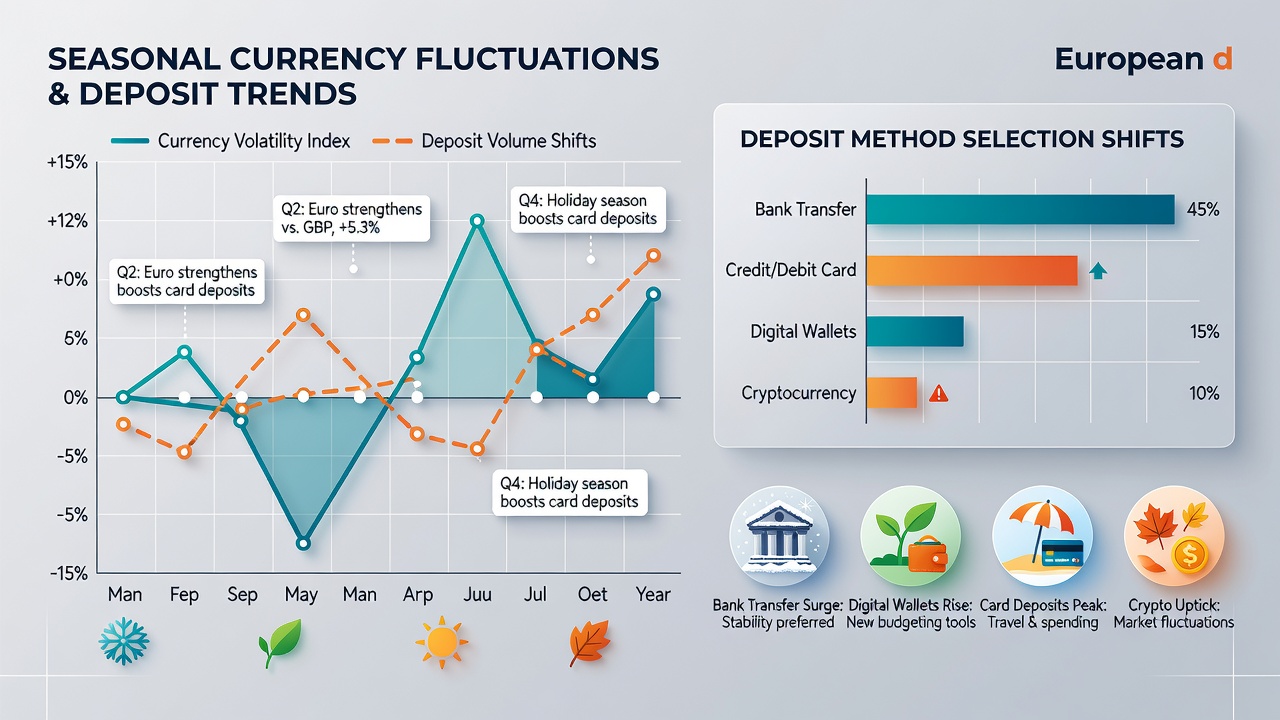
Payment gateway providers report that integration of real-time exchange rate displays within deposit interfaces leads to higher completion rates because users can see exact conversions before confirming transactions, and operators who added these features noted reduced abandoned deposits during high-volatility weeks. Regional differences appear clearly in the data, with southern European users showing stronger preferences for card-based methods during winter holiday periods while northern users lean toward local bank solutions when currency conditions support it.
Regional Variations and Platform Responses
Operators serving multiple countries adjust their promoted deposit options according to seasonal forecasts, and transaction records indicate that French and Spanish users increase PayPal activity during periods when the euro trades favorably against other major currencies because the service offers competitive conversion rates. Belgian and Dutch platforms observe similar patterns with Bancontact and iDEAL methods, which see elevated volumes when local currencies hold steady against the euro. Data collected through 2025 and into 2026 reveals that platforms offering dynamic currency conversion at the point of deposit experience fewer user complaints about unexpected fees, particularly during the summer months when travel-related spending affects disposable income available for betting accounts.
Industry reports compiled by European gambling trade associations highlight that users who maintain multi-currency wallets demonstrate greater flexibility in deposit timing, often waiting for favorable rate windows before funding accounts ahead of major sporting events. This behavior creates predictable spikes in certain payment channels that operators now anticipate through automated monitoring systems.
Conclusion
Seasonal currency fluctuations continue to drive measurable changes in deposit method selections across European digital sportsbooks, with transaction data confirming that users respond to exchange rate movements by favoring methods that minimize conversion costs or allow rate timing flexibility. Platforms that provide transparent rate information and diverse payment options maintain higher deposit completion rates through these cycles, and ongoing monitoring through 2026 shows these patterns remain consistent across different market conditions.