Regional Payment Gateway Preferences Shaping Session Lengths in Cross-Border Digital Wagering Environments
Amir Simon · Jun 2, 2026
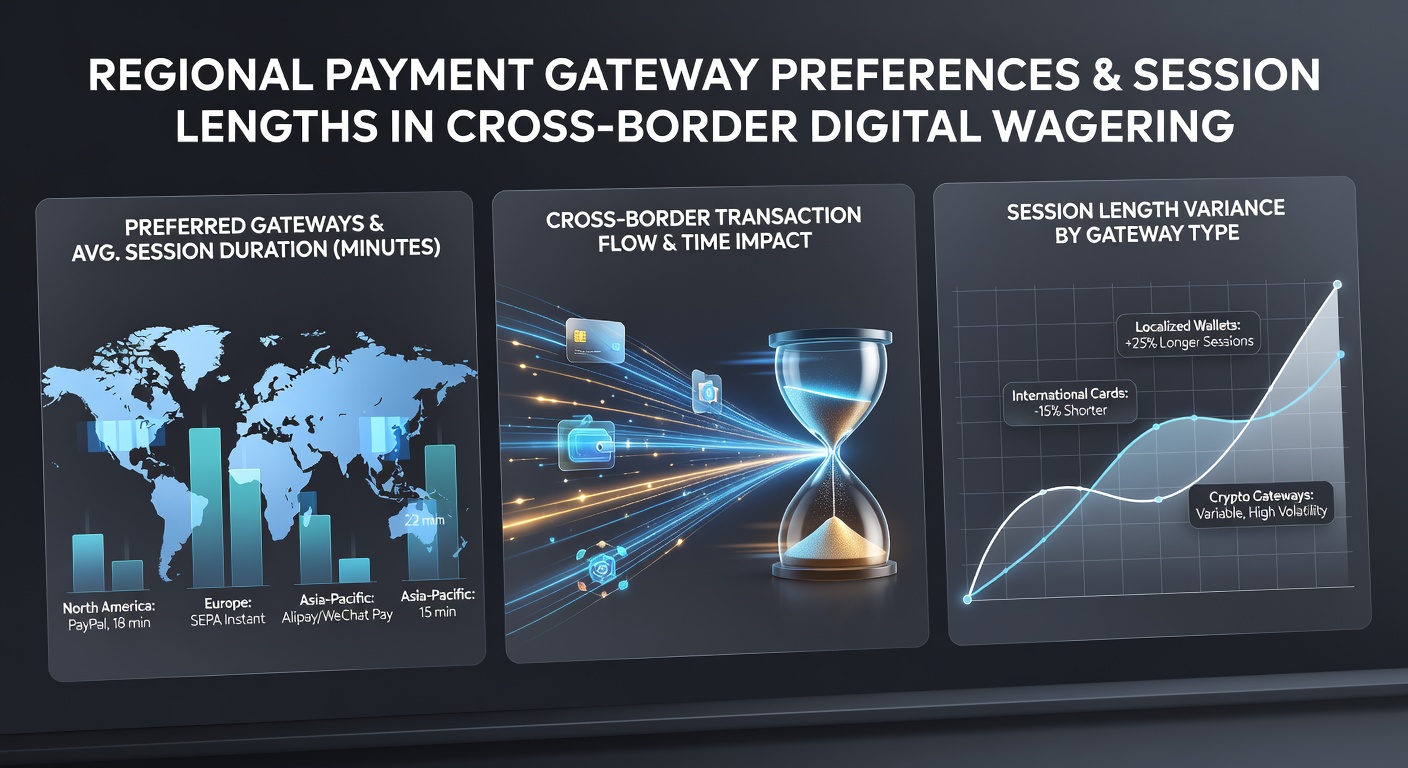
Regional Payment Gateway Preferences Shaping Session Lengths in Cross-Border Digital Wagering Environments
Research indicates that payment gateway preferences vary significantly by region, and these choices directly influence how long players remain active during cross-border wagering sessions. Data from multiple markets shows transaction speed, fee structures, and regulatory compatibility as primary drivers that either extend or curtail engagement times in June 2026.Payment Methods and Regional Patterns
European operators report widespread adoption of instant bank transfers and digital wallets, while Asian markets lean toward cryptocurrency options and local mobile payment systems that integrate with regional banking networks. Observers note Latin American players frequently select credit card processors that accommodate high-volume international transfers, whereas North American users show preference for prepaid vouchers and established e-wallets that bypass certain cross-border restrictions.
These preferences emerge from local infrastructure availability combined with regulatory requirements that dictate which gateways receive licensing approval in each jurisdiction. Studies reveal that players gravitate toward methods minimizing processing delays, since prolonged wait times between deposits and active play often lead to session abandonment before wagering begins.
How Gateway Speed Affects Engagement Duration
Transaction completion times correlate strongly with overall session lengths according to aggregated platform data released in mid-2026. Gateways offering sub-second authorization allow users to maintain momentum across multiple games, while slower verification processes introduce friction that fragments activity into shorter bursts. One analysis of cross-border traffic found sessions using instant gateways averaged 47 minutes longer than those reliant on traditional card processors subject to additional compliance checks.
Fees also play a measurable role. Markets where payment providers charge lower per-transaction costs see repeated top-ups during the same session, sustaining activity that might otherwise end when balances drop. Researchers tracking multi-region activity discovered that fee-sensitive users in certain Asian corridors switch gateways mid-session when cheaper alternatives become available, extending play windows compared to regions locked into single-provider models.
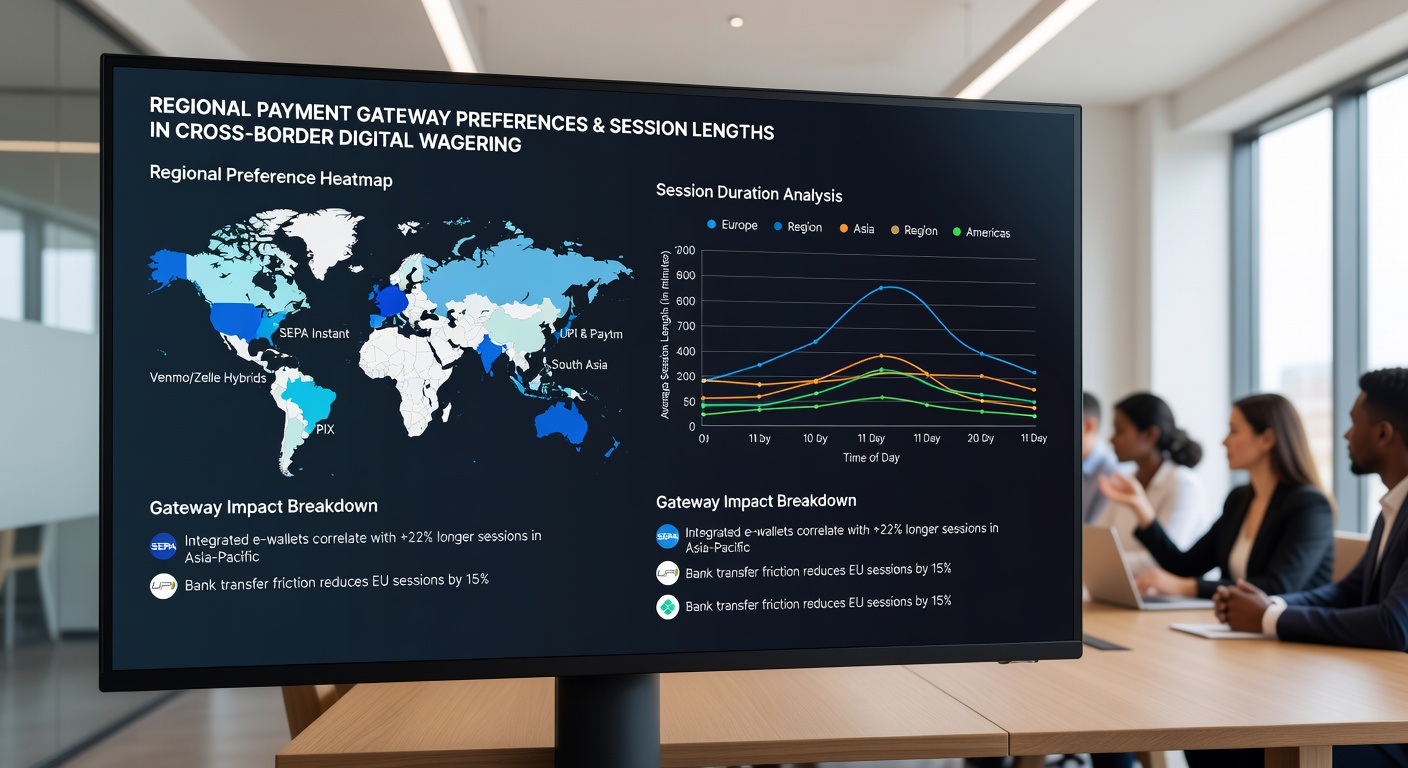
Cross-Border Regulatory Influences
Regulatory frameworks in different territories create additional layers that shape gateway selection and subsequent session behavior. Data compiled by the Malta Gaming Authority highlights how EU-aligned licensing standards encourage gateways with built-in anti-money laundering features that process faster for compliant users, resulting in fewer interruptions once play starts. In contrast, emerging markets in Southeast Asia impose varying approval timelines that delay new gateway integrations and indirectly cap session potential until infrastructure catches up.
Canadian provincial regulators and Australian oversight bodies have documented similar effects, where licensed gateways with streamlined reporting requirements reduce administrative pauses during deposits. Players operating across these regions often maintain longer sessions when gateways already pre-approved in multiple jurisdictions eliminate repeated verification steps.
2026 Data Trends Across Markets
Figures released in June 2026 from industry tracking services show clear divergence in average session durations tied to dominant regional gateways. European sessions using preferred instant methods reached 68 minutes on average, while sessions in regions dependent on legacy card networks averaged 31 minutes before users logged off. These patterns hold across desktop and mobile interfaces, suggesting the gateway itself rather than device type drives the difference.
What's interesting is how loyalty integrations amplify these effects. Platforms linking preferred regional gateways to instant bonus crediting see players extend sessions further because rewards appear without leaving the active environment. One study tracking high-volume cross-border accounts found that seamless gateway-to-bonus flows increased repeat deposits within the same hour, compounding total engagement time.
Challenges and Emerging Solutions
Despite clear correlations, cross-border wagering still encounters friction when players encounter gateways unsupported in their primary region. Currency conversion delays and temporary blocks during peak hours contribute to early exits, particularly when users must switch providers mid-session. Industry reports note that operators addressing these gaps through multi-gateway routing experience measurable lifts in completed sessions.
Academic research from institutions examining digital finance in gaming contexts points to adaptive routing algorithms as one effective response. These systems detect regional preferences in real time and route transactions through the fastest available gateway matching the user's location and history, reducing drop-off rates observed in earlier platform versions.
Conclusion
Regional payment gateway preferences continue to determine session lengths in cross-border digital wagering as operators refine their infrastructure to match local expectations. Evidence from 2026 data demonstrates that faster, lower-friction options sustain longer engagement while slower or costlier methods fragment activity. Platforms aligning gateway availability with regional realities position themselves to capture extended play windows across diverse markets.