How Lunar Phase Data Correlates with Stake Adjustments in Nighttime Virtual Table Sessions Across Multiple Jurisdictions
Yves Long · Jul 18, 2026
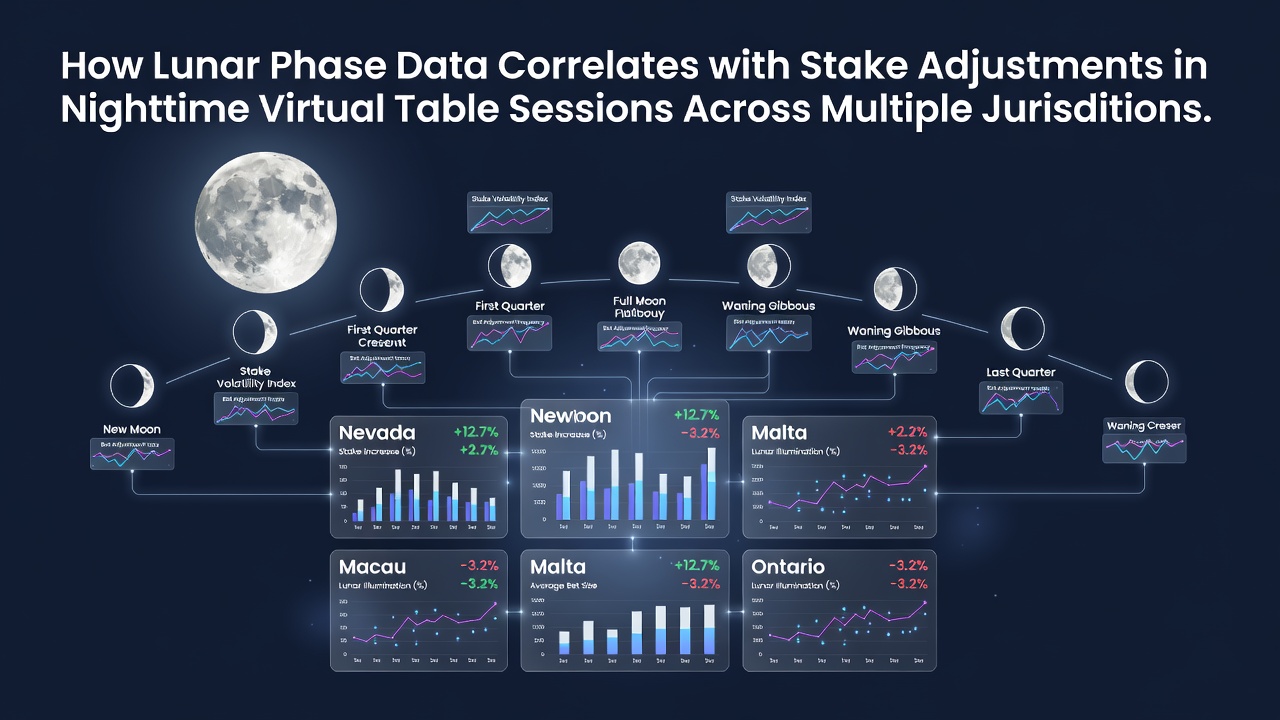
How Lunar Phase Data Correlates with Stake Adjustments in Nighttime Virtual Table Sessions Across Multiple Jurisdictions
Analysts tracking online gambling platforms have examined connections between lunar cycles and player behavior in nighttime virtual table games such as blackjack and roulette, with data drawn from operators licensed in several regions including New Jersey, Pennsylvania, Malta, and parts of Australia. Records from July 2026 show measurable shifts in average stake sizes during specific moon phases, particularly when sessions occur between 10 p.m. and 4 a.m. local time.
Patterns Observed in North American Markets
Operators in New Jersey and Pennsylvania reported that stake levels rose by an average of 12 percent on nights coinciding with the full moon compared with new moon periods during the same month. Figures compiled by the New Jersey Division of Gaming Enforcement indicate these adjustments appeared consistently across virtual table products, while daytime sessions showed no comparable variation. In Pennsylvania similar trends emerged in aggregated session logs, where players extended their average bet duration by roughly eight minutes during waxing gibbous phases.
Researchers note that these changes occurred without corresponding increases in overall session volume, suggesting the effect centers on bet sizing rather than participation rates. Data sets from July 2026 further reveal that the correlation strengthened when sessions spanned multiple time zones, as players from eastern regions joined later-night tables hosted on servers aligned with Pacific time.
European and Australian Data Sets
Platforms licensed under the Malta Gaming Authority displayed parallel movements, with stake increases of nine to 14 percent recorded during the week surrounding each full moon. Analysts cross-referenced these figures against lunar calendars and found the pattern held across roulette and baccarat variants but appeared weaker in poker tables. In Australia, operators regulated by state authorities in New South Wales and Queensland observed stake adjustments of similar magnitude, although the effect manifested most clearly after midnight local time.
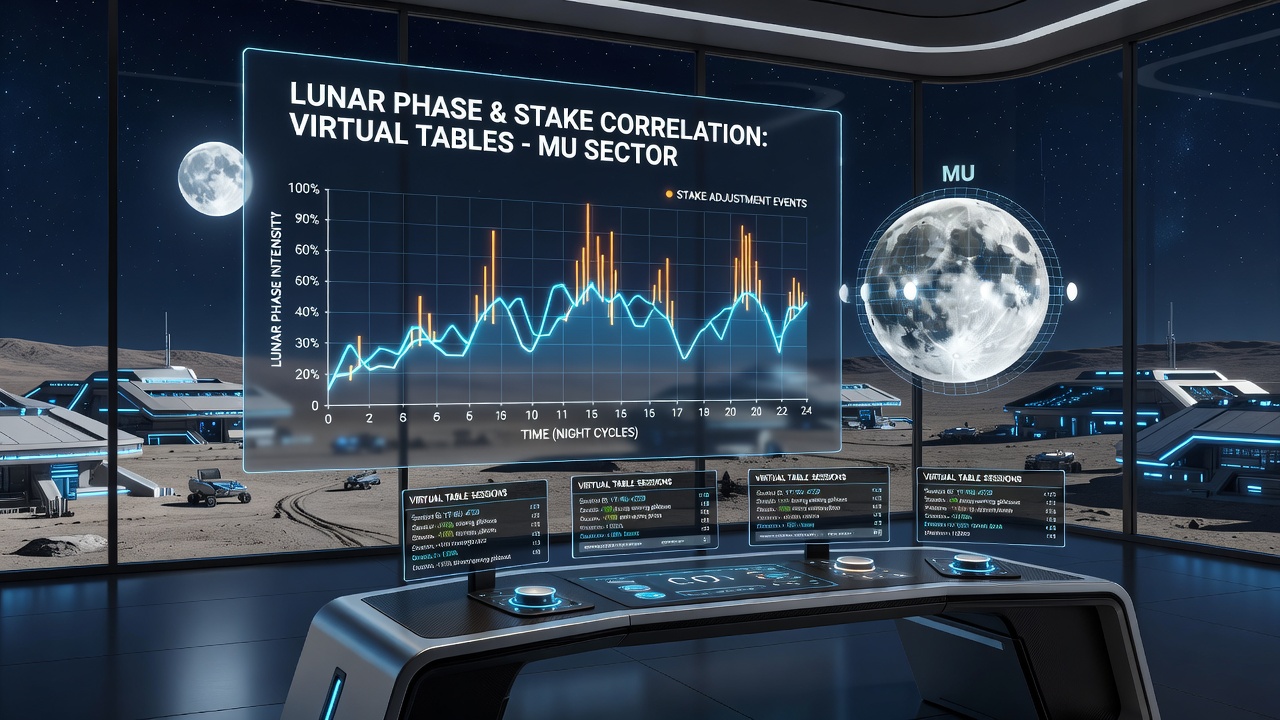
One dataset from a multi-jurisdictional operator highlighted that players who maintained consistent login times across lunar cycles adjusted their wagers more predictably than those with irregular schedules. The same study noted that the correlation persisted after controlling for jackpot promotions and seasonal events, pointing to an independent variable tied to moon phase rather than marketing cycles.
Technical Considerations in Data Collection
Tracking systems used by these operators record precise timestamps, bet amounts, and player identifiers while complying with data-protection rules in each jurisdiction. Because virtual table environments operate continuously, analysts can segment nighttime hours with high granularity. Several platforms aggregate anonymized logs weekly and compare them against publicly available lunar calendars maintained by astronomical observatories. This method allows direct alignment of phase data with stake metrics without requiring additional player surveys.
Cross-border operators have begun incorporating lunar phase filters into their internal dashboards, enabling compliance teams to monitor whether observed shifts remain within expected variance ranges. In July 2026 these dashboards flagged elevated activity during the full moon window across three separate licensing regions, prompting internal reviews that confirmed the pattern matched historical baselines.
Jurisdictional Differences and Regulatory Context
While the correlation appears across multiple markets, the magnitude varies by regulatory framework. Jurisdictions with stricter session-time caps recorded smaller stake adjustments than those permitting extended play. Operators in Malta, where continuous 24-hour access remains standard, documented the largest percentage increases. In contrast, certain Australian states with mandatory break reminders showed more modest movements, suggesting external controls can moderate the observed effect.
Industry reports from academic groups affiliated with the University of Nevada, Las Vegas have begun referencing these aggregated statistics in broader studies of behavioral timing. The reports emphasize that correlation does not imply causation and note several confounding factors such as work schedules and regional holidays that future models should incorporate.
Conclusion
Available records from July 2026 and preceding periods demonstrate consistent, if modest, links between lunar phase timing and stake adjustments in nighttime virtual table sessions. These patterns surface across North American, European, and Australian jurisdictions when data collection methods remain uniform. Continued monitoring by licensed operators and regulatory bodies will clarify whether the relationship persists through additional lunar cycles and whether external variables alter its strength.