Cryptocurrency Volatility and Wager Size Dynamics in Decentralized Betting Protocols
Gisela Jung · Jul 28, 2026
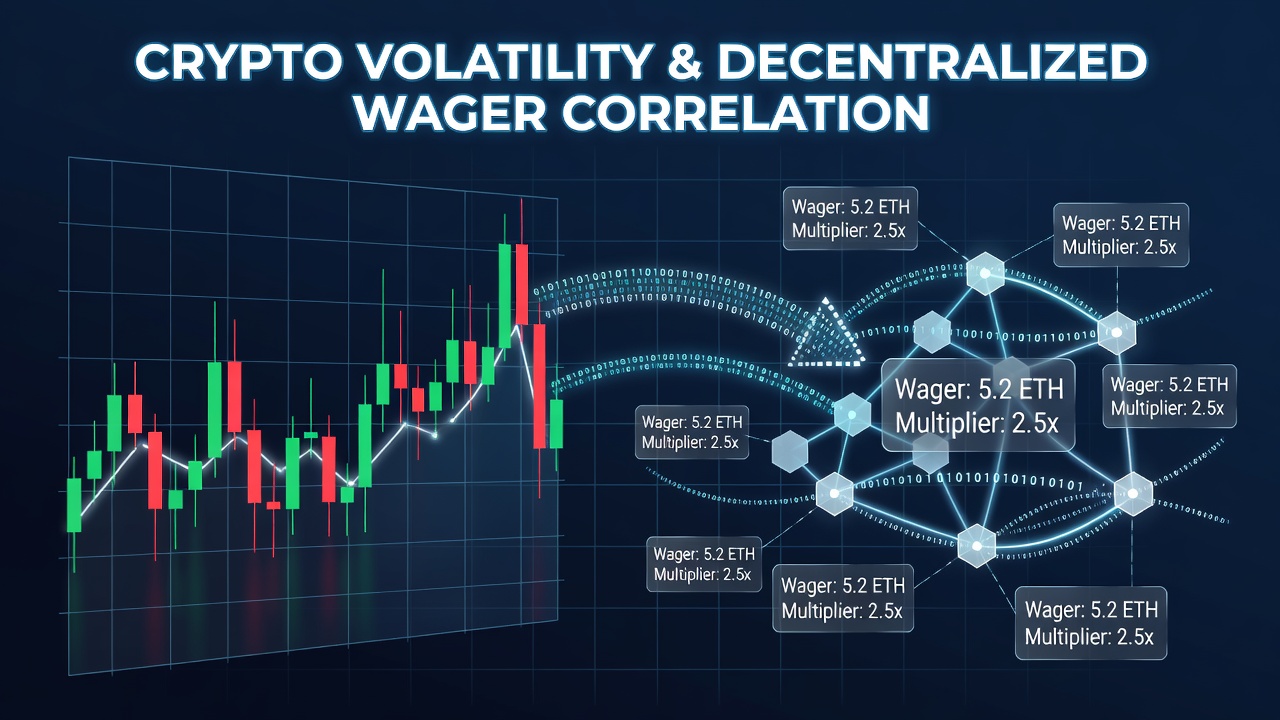
Cryptocurrency Volatility and Wager Size Dynamics in Decentralized Betting Protocols
Decentralized betting protocols operate through smart contracts on blockchain networks, where participants place wagers directly without intermediaries, and cryptocurrency price movements create measurable effects on betting behavior. Data from multiple platforms shows that periods of elevated volatility often coincide with shifts in average wager sizes as users respond to rapid asset value changes. In July 2026, Bitcoin recorded daily swings exceeding 15 percent on several occasions, and on-chain analytics indicated corresponding reductions in median bet amounts across several major protocols.
Measuring Volatility in Cryptocurrency Markets
Volatility metrics track standard deviation of returns over rolling windows, with Bitcoin and Ethereum frequently exhibiting annualized figures above 60 percent during active trading periods. Researchers at academic institutions have compiled historical datasets that link these swings to liquidity conditions in spot and derivatives markets. Platforms record transaction volumes and price feeds in real time, allowing observers to correlate external market data with internal betting activity logs.
High volatility phases typically feature wider bid-ask spreads and increased liquidation events in leveraged positions, which in turn influence participant risk tolerance. Figures from blockchain explorers reveal that when implied volatility indices climb above 80, transaction counts in betting contracts decline by measurable percentages within the same 24-hour windows.
How Decentralized Betting Protocols Function
Smart contracts handle bet creation, odds calculation, and settlement automatically once oracle feeds confirm outcomes, removing the need for centralized custodians. Users deposit cryptocurrency into protocol treasuries and receive tokens representing their positions, with all activity visible on public ledgers. This transparency enables detailed study of wager patterns because every transaction carries a timestamp and amount that researchers can cross-reference with price feeds.
Protocols often incorporate automated market makers for liquidity provision, and these mechanisms adjust odds dynamically based on bet flow. When cryptocurrency values fluctuate sharply, participants frequently alter position sizes to maintain consistent exposure in fiat terms, producing observable changes in on-chain volume distributions.
Observed Correlations Between Volatility and Wager Sizes
Statistical analysis of protocol data demonstrates an inverse relationship in many instances, where rising volatility coincides with smaller average wager amounts as users reduce exposure. One study covering 18 months of Ethereum-based betting activity found that a 10 percent increase in daily volatility correlated with a 7 to 12 percent drop in median bet size after controlling for overall market capitalization trends.
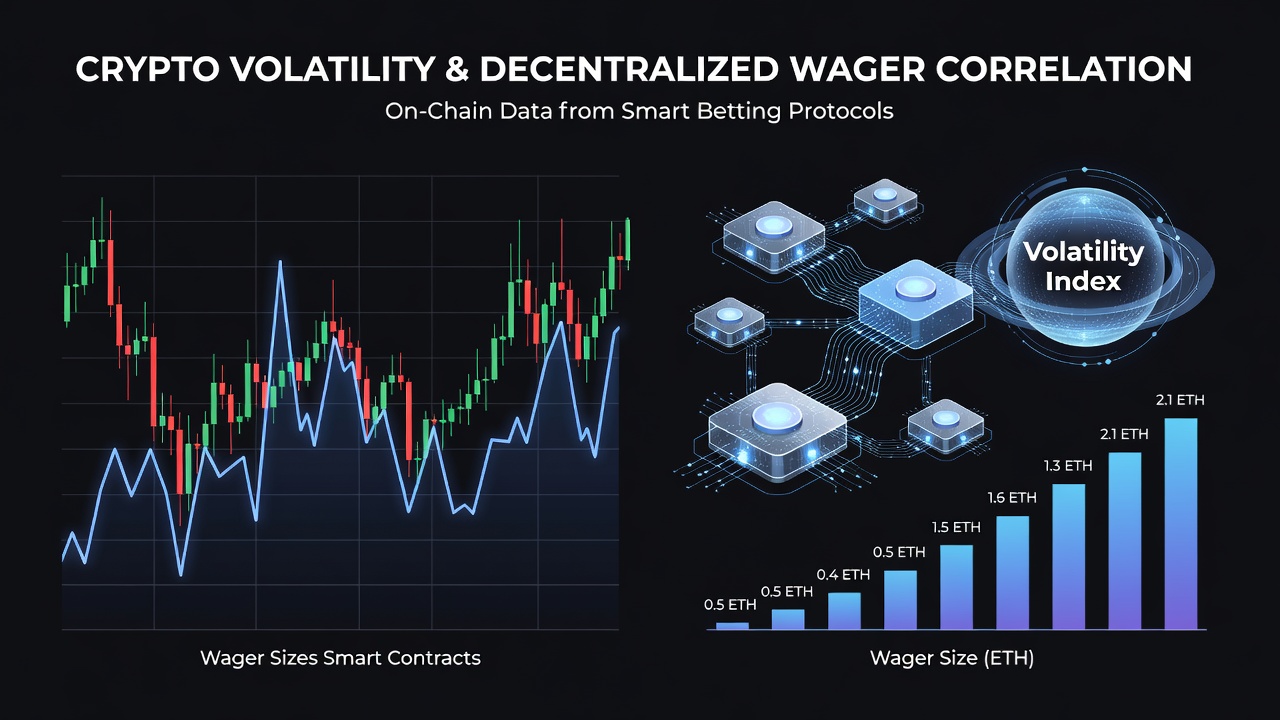
Conversely, intervals of relative price stability sometimes see wager sizes expand as participants regain confidence in position sizing. Data from July 2026 illustrates this pattern clearly: following a week of subdued volatility below 30 percent annualized, several protocols recorded a 9 percent rise in average bet values before the next market movement reversed the trend.
These patterns hold across different asset pairs, although effects appear stronger in protocols using native tokens with higher beta to Bitcoin movements. Observers note that liquidity depth also plays a role, because thinner order books amplify slippage and prompt users to scale down individual wagers accordingly.
Additional Factors Influencing Betting Behavior
Network fees and gas costs on underlying blockchains introduce another variable, since elevated volatility periods often coincide with higher transaction demand and increased costs that discourage small or frequent bets. Protocol governance tokens sometimes experience amplified swings, creating secondary effects on staking rewards and incentive structures that indirectly shape wager decisions.
Regional differences emerge as well, with participants in jurisdictions featuring clearer regulatory frameworks showing slightly different adjustment speeds compared with those in less defined environments. Reports from the Bank for International Settlements highlight how global macroeconomic announcements can trigger simultaneous volatility spikes across multiple cryptocurrencies, producing synchronized shifts in decentralized betting volumes.
Academic papers examining transaction graphs have identified clusters of addresses that consistently reduce position sizes ahead of expected news events, suggesting some users monitor volatility forecasts before committing capital. These behavioral signals appear in aggregated data without revealing individual identities, preserving the pseudonymous nature of the networks.
Conclusion
Records from decentralized betting protocols document consistent associations between cryptocurrency volatility levels and adjustments in wager sizes, with higher volatility frequently linked to smaller average bets and stable periods allowing modest increases. Continued monitoring of on-chain metrics through 2026 and beyond will provide further data points for refining these observed relationships across evolving market conditions.