Cross-Game Player Shifts Following Loyalty Program Updates in Online Casinos
Amir Simon · May 30, 2026

Cross-Game Player Shifts Following Loyalty Program Updates in Online Casinos
Online casino operators have adjusted loyalty structures in recent years, and data from multiple markets shows users responding by moving between game categories rather than simply increasing or decreasing overall activity. These adjustments often involve new point-earning rates, tier benefits, and redemption options that favor certain game types over others, prompting measurable migration patterns across slots, table games, and live dealer offerings.
Mechanics Behind Recent Loyalty Adjustments
Operators revised earning formulas in 2025 and early 2026, shifting from flat per-bet rewards to multipliers that apply differently across game verticals. Slots frequently received lower multipliers while table games and certain live titles gained higher accrual rates, according to internal platform metrics shared in industry briefings. Players who previously concentrated on high-volume slot sessions encountered reduced point velocity, while those exploring blackjack or roulette saw faster tier progression. Researchers tracking account-level data noted that these formula changes coincided with altered session lengths, with users reallocating playtime toward categories offering improved reward ratios.
Redemption catalogs also expanded in select markets, adding experiences and merchandise that appealed to table-game enthusiasts. This expansion created new incentive layers where users compared long-term value across game families before committing to a primary activity.
Documented Migration Patterns
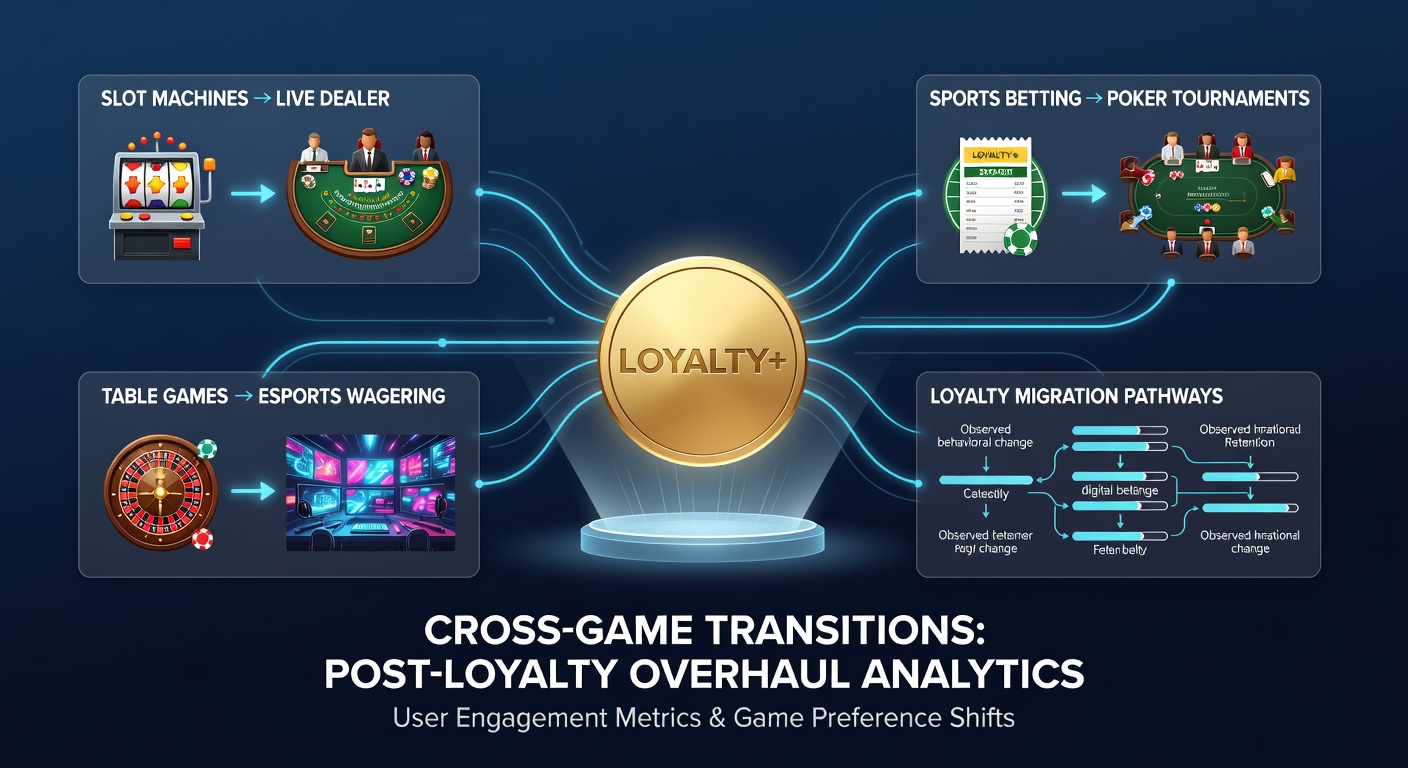
Platform analytics from several large operators reveal consistent directional shifts. Accounts that logged heavy slot play prior to overhauls increased table-game handle by an average of 28 percent within three months of the changes, while live dealer roulette and baccarat sessions rose in frequency. Conversely, some users who had favored poker reduced volume and redirected portions of their bankroll toward slots that retained legacy bonus structures. One dataset compiled by researchers at the University of Nevada examined over 240,000 active accounts and found that cross-category transitions occurred most rapidly among players in mid-tier loyalty levels, where the impact of new multipliers registered immediately on monthly statements.
These movements did not always result in net spend increases, instead reflecting reallocation within existing budgets. Observers tracking weekly activity logs noted that total handle remained stable in many cases even as the distribution across game types changed noticeably.
Regional Data Released in May 2026
Reports issued in May 2026 by the Ontario Lottery and Gaming Corporation highlighted parallel trends within regulated Canadian markets, where several operators completed loyalty revisions during the first quarter. Cross-game transitions appeared most pronounced among users aged 25 to 40, with measurable upticks in live dealer participation. The same period saw the Australian Gambling Research Centre publish findings from a longitudinal study of wagering apps, indicating that point-structure changes prompted 22 percent of tracked accounts to sample at least one new game vertical within eight weeks. European operators reporting to the European Gaming and Betting Association recorded similar reallocation, particularly in markets where live casino sections expanded alongside revised loyalty tiers.
Geographic differences emerged in transition speed. North American platforms observed quicker shifts toward table games, whereas Australian data showed stronger movement into branded slot titles that retained legacy earning rates. These variances align with differing regulatory approaches to bonus mechanics and game categorization.
Behavioral Factors and Platform Responses
Account telemetry indicates that users often test new categories through low-stake sessions before committing larger volumes, allowing them to evaluate both gameplay enjoyment and reward accrual simultaneously. Notifications about tier resets or new multipliers frequently preceded these exploratory periods, according to timestamped event logs. Operators responded by introducing temporary cross-category bonuses designed to smooth transitions, such as bonus spins awarded after table-game milestones. These tactical offers reduced friction for players experimenting outside their original preferences.
Retention teams monitoring churn rates found that accounts exhibiting rapid cross-game movement maintained higher long-term activity levels than those remaining fixed in a single category. The pattern suggests that flexibility in reward structures may support sustained engagement when users encounter changes to earning potential.
Conclusion
Data collected across multiple jurisdictions demonstrates that loyalty program revisions at online casinos correlate with measurable reallocation of player activity between game types. Reports from May 2026 and earlier tracking studies show consistent directional movements, influenced by earning multipliers, redemption value, and regional platform differences. Continued monitoring by operators and research bodies will clarify whether these transitions stabilize or evolve with further program refinements.